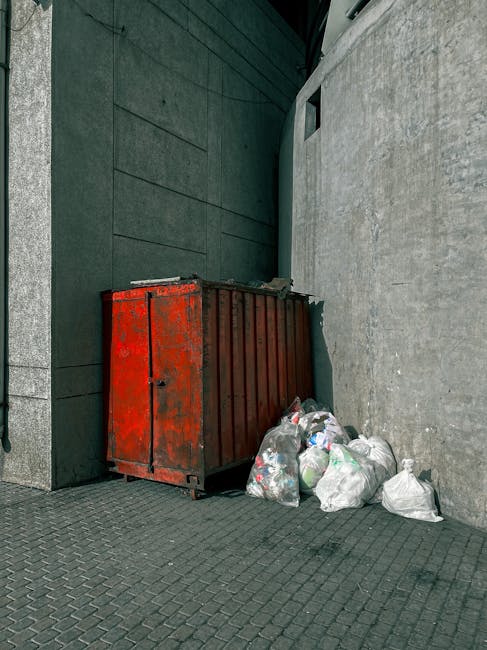
Best rubbish removal options near Harrow on the Hill HA1

If you are staring at a pile of rubbish and wondering what to do next, you are not alone. The best rubbish removal options near Harrow on the Hill HA1 usually come down to speed, value, and how much help you actually need. Some jobs are tiny and simple; others involve awkward furniture, builder's debris, a loft full of forgotten boxes, or a garden clear-up after a long weekend. The good news is that there is usually a sensible route for almost every situation.
In this guide, we'll break down the main rubbish removal choices, how they work in practice, what they cost in real-life decision terms, and which option tends to fit which kind of mess. We'll also cover the local realities that matter around Harrow on the Hill: parking, access, shared entrances, narrow roads, and the simple fact that sometimes you just want the thing gone without a half-day of hassle. Let's keep it practical.
Why rubbish removal matters in Harrow on the Hill HA1
Rubbish builds up in ordinary life. A sofa gets replaced. The garage turns into a storage cave. Renovation dust spreads farther than expected. Before you know it, the job is no longer about "a few bags" but about choosing the right removal method before the pile becomes annoying, unsafe, or just plain embarrassing. That is especially true in a place like Harrow on the Hill, where access can be a bit tighter and timing matters.
Picking the right rubbish removal option is not only about clearing space. It affects how much lifting you need to do, whether the waste is handled legally, how quickly the area is restored, and whether recyclable items are separated properly. And yes, it can also determine whether you spend your Saturday wrestling with sacks or spend it doing literally anything else. To be fair, that alone sways a lot of people.
There is also a trust side to it. Proper waste removal should be straightforward, transparent, and respectful of your property. If someone is taking rubbish from your home, flat, office, or garden, you want them to turn up when they say they will, do the job neatly, and take care not to leave you with a new mess to clean up. Not a big ask, really.
For people comparing local services, it helps to understand the broader range of clearance options available. A general waste removal service can be ideal for mixed junk, while more specific jobs might suit house clearance, flat clearance, or targeted item collection such as mattress and sofa disposal.
Table of Contents
- Why rubbish removal matters in Harrow on the Hill HA1
- How rubbish removal works
- Key benefits and practical advantages
- Who this is for and when it makes sense
- Step-by-step guidance
- Expert tips for better results
- Common mistakes to avoid
- Tools, resources and recommendations
- Law, compliance, standards, or best practice
- Options, methods, or comparison table
- Case study or real-world example
- Practical checklist
- Conclusion
- Frequently Asked Questions
How rubbish removal works
Most rubbish removal in practice follows one of a few familiar routes. You contact a provider, describe the waste, and get a price or estimate based on volume, type of material, access, and timing. Then the team arrives, loads the rubbish, and takes it away for sorting, recycling, disposal, or transfer to the appropriate facility.
That sounds simple because it often is. But the details matter. For example, a bag of garden waste is not the same as a full bedroom of furniture. Builders' rubble may require different handling from office paper waste. And some items, like fridges or certain electricals, may need specialist disposal. If you ignore that distinction, you can end up paying more later or having the collection delayed. Nobody enjoys that phone call.
In many cases, the service you choose will also determine how much labour is included. Some options are fully man-and-van style, where the team does the lifting. Others are more DIY-oriented, like a skip, where you load everything yourself. For mixed household clutter or awkward items in upper-floor rooms, the labour-included route is usually far less stressful.
There is also the question of sorting. A decent provider should separate recyclable materials where possible and handle waste responsibly. If sustainability matters to you, it is worth looking at a company's recycling and sustainability approach before you book. It is one of those things people wish they had asked about earlier.
Key benefits and practical advantages
The best rubbish removal options near Harrow on the Hill HA1 tend to offer more than simple collection. The real value lies in the combination of speed, convenience, and less friction in your day.
- Less lifting for you: Good services remove the physical strain, which matters if you are dealing with bulky furniture, heavy bags, or stairs.
- Faster turnaround: You can often clear a space in one visit rather than spending days organising trips to a recycling centre.
- Better use of space: A cleared room, garden, loft, or garage immediately feels different. Cleaner. Calmer. More usable.
- More suitable for mixed loads: Many households do not have neat, single-category waste. Mixed junk is normal.
- Reduced stress: When the job is handled properly, the mental clutter goes with the physical clutter. Small thing, big relief.
- Cleaner finish: A good team usually leaves the area swept or tidied, which sounds minor until you've stepped on screws in bare feet. Ask me how people learn that lesson.
In real life, the best choice is not always the cheapest on paper. If one option saves you two trips, a parking headache, and a sore back, it may be better value overall. That is the sort of practical arithmetic people actually use, even if they don't say it out loud.
If you are dealing with items from a renovation or repair job, a dedicated builders waste clearance service can be more suitable than a general collection. Likewise, office users often do better with office clearance when desks, chairs, files, and packaging need to be removed together.
Who this is for and when it makes sense
This kind of rubbish removal is useful for a lot of people, not just homeowners in the middle of a clear-out. In practice, it suits anyone who wants waste removed quickly without turning it into a weekend project.
You might need it if:
- you are moving house and need unwanted items gone before handover;
- you are clearing a rental flat and want the place ready for the next occupant;
- you have old furniture sitting in a spare room or hallway;
- your loft, garage, or shed has become impossible to navigate;
- you are refreshing a garden and need green waste taken away;
- you are finishing a small renovation and have bags of debris;
- you need business waste removed without disrupting operations;
- you simply want a cleaner, calmer space and do not want to tackle the job alone.
It also makes sense if access is awkward. Harrow on the Hill has plenty of properties where stairs, shared entrances, or tight frontage space make DIY clearance a bit painful. You can move waste yourself, of course, but sometimes that is a false economy. One sofa up three flights of stairs will tell you everything you need to know.
For specific item types, the fit matters too. Old wardrobes, beds, and tables may be better handled through furniture clearance or furniture disposal. White goods may need fridge and appliance removal. And if you are sorting out a major life change, a more structured home clearance or loft clearance may be the calmer route.
Step-by-step guidance
Here is a practical way to choose and use rubbish removal without overcomplicating it. A good plan saves time before the van even arrives.
- List what needs to go. Walk through the space and group items by type: general junk, furniture, garden waste, building debris, electricals, and anything potentially risky or special.
- Estimate the volume. You do not need to be exact. A rough idea of bags, boxes, and bulky pieces is usually enough to start.
- Check access. Think about stairs, parking, narrow roads, shared hallways, locked gates, and whether the team can park close enough to load efficiently.
- Separate anything sensitive or valuable. Paperwork, keys, chargers, photographs, and personal bits have a habit of hiding in the oddest places.
- Ask about item categories. If there are appliances, paint, chemicals, sharp materials, or mixed builder's waste, mention it early.
- Compare options. Decide whether you need a full labour-included collection, a specific service, or a lower-cost DIY route such as a skip. If you are unsure what fits, the page on what can go in a skip is useful for understanding typical restrictions.
- Book a time that reduces disruption. If neighbours, tenants, or staff are involved, pick a slot that keeps the day orderly rather than chaotic.
- Confirm payment and any terms. It is just good practice. Knowing how pricing works before the crew arrives avoids awkward surprises later.
- Do a quick final sweep. Even a five-minute check can catch items you intended to keep. We have all done the "wait, where did that box come from?" routine.
If you want a clearer picture of how fees and quotations are typically handled, it helps to review pricing and quotes before you commit. And if the waste belongs to a business rather than a household, business waste removal is the more appropriate place to start.
Expert tips for better results
After you have seen enough clear-outs, a few patterns become obvious. The smooth jobs are rarely the accidental ones; they are usually the organised ones.
Tip 1: photograph the waste before you book. It sounds basic, but pictures help with pricing accuracy and prevent under-quoting or wasted time. A couple of phone photos from different angles usually do the job.
Tip 2: keep a small "not going" pile separate. Mark it clearly. Even one overlooked charger, envelope, or bag can muddy the process and cause delays.
Tip 3: flag awkward access early. If parking is limited or the items are on an upper floor, say so. Good planning beats a rushed arrival every time.
Tip 4: deal with special items separately. Some waste categories deserve their own handling. For example, if you have a broken appliance or something potentially unsafe, mention it rather than guessing. For sensitive or regulated items, the pages on hazardous waste disposal and confidential shredding are worth looking at.
Tip 5: think in zones, not rooms. Clear one area at a time. That approach stops the job from feeling huge and oddly amorphous, which is usually when people stall.
Tip 6: choose the right type of clearance. A garden job is not an office job, and a loft full of old boxes is not the same as a single sofa. Matching the service to the waste type is one of the easiest ways to keep things efficient.
Expert summary: The smartest rubbish removal choice is the one that matches your access, waste type, and time pressure. If you choose on convenience alone, or price alone, you can end up paying twice in stress. Balance matters.
Common mistakes to avoid
Most rubbish removal headaches are avoidable. A little planning goes a long way, honestly.
- Underestimating volume: "Just a few bags" has a funny way of becoming a van-full once everything is pulled out.
- Forgetting bulky items: Sofa arms, broken bed frames, and cabinet doors take up more space than expected.
- Not checking what is excluded: Special waste, certain appliances, and hazardous items may need separate handling.
- Choosing solely by price: The cheapest quote can become expensive if it does not include loading, disposal, or the right type of waste.
- Leaving sorting until collection day: This makes the job slower and messier.
- Ignoring access issues: If the team cannot park near the property, the job can take longer than planned.
- Assuming every service is the same: Some are general clearance specialists; others are better at a specific job such as garage clearance or garden clearance.
There is one more subtle mistake: not thinking about end use. If your goal is to clear a room quickly before new tenants move in, then speed matters most. If you are clearing a family home carefully, you may need more discretion and a more methodical pace. Same waste, different priorities.
Tools, resources and recommendations
You do not need a toolbox full of specialist gear to prepare for rubbish removal, but a few simple things help.
- Heavy-duty bags and boxes: Useful for loose items, smaller mixed rubbish, and things that are easier to carry when contained.
- Labels or masking tape: Handy for marking keep piles, donate piles, and clear-out piles.
- Measuring tape: A quick measure of bulky items can help when comparing disposal options.
- Phone camera: Ideal for documenting the volume and access before booking.
- Gloves and sturdy shoes: Especially useful in gardens, lofts, garages, and building debris.
- Basic sorting bins or crates: Good for separating recyclables from mixed junk if you want to stay organised.
From a service perspective, the most helpful resource is usually a provider that explains the job clearly before arrival. Clear pricing, sensible expectations, and a straightforward process save time. For many people, that is the real difference between "sorted" and "stressful".
It can also help to look at the company's policies around safety and handling. Pages such as insurance and safety and health and safety policy give you a better sense of how they approach the work. If you are hiring for a business setting, business waste removal can be the better match for continuity and compliance.
Law, compliance, standards, or best practice
Waste removal in the UK sits under everyday legal and practical expectations, even if the job looks simple from the outside. You do not need to become a waste-law specialist, but it does help to use a company that understands responsible disposal, correct handling of restricted items, and sensible transfer practices.
At a basic level, best practice means waste should be collected, sorted where appropriate, and taken to the right place for reuse, recycling, or disposal. Items that may be hazardous or sensitive should be treated with extra care. That includes materials that can leak, break, contaminate other loads, or pose a risk during handling. The exact rules depend on the waste type, so caution is better than guesswork.
For householders, a practical rule is simple: if you are unsure whether something is special waste, say so early. For businesses, the duty is usually broader because records, confidentiality, and routine compliance can matter more. In that context, using a reputable clearance service and keeping a clear paper trail is just sensible. Not glamorous, but sensible.
Another important point is duty of care in plain English: once waste leaves your property, you still want confidence that it is being handled properly. That is why transparency matters. A company that explains what happens to your waste is generally a safer choice than one that stays vague. If a provider also shares its policies on payment and security, terms and conditions, and about us, that usually helps build trust in a straightforward way.
Options, methods, or comparison table
Here is a simple comparison of common rubbish removal options near Harrow on the Hill HA1. The "best" choice depends on your waste type, time pressure, and how much effort you want to put in.
| Option | Best for | Main advantage | Main drawback |
|---|---|---|---|
| Man-and-van rubbish removal | Mixed household waste, bulky items, quick clear-outs | Fast, labour included, minimal effort | Usually more expensive than DIY loading |
| Skip hire | Ongoing projects, larger volumes, DIY loading | Useful over several days | Space, permit, and loading responsibilities fall on you |
| Specialist item disposal | Appliances, sofas, mattresses, specific bulky items | Handles one item type neatly | Less flexible for mixed loads |
| Full property clearance | Homes, flats, lofts, garages, bereavement or moving situations | Comprehensive and organised | Can take longer and may need planning |
| Business waste collection | Offices, shops, workspaces, regular commercial waste | Fits workplace needs better | Not ideal for one-off domestic jobs |
For many readers, the practical answer is a mix of these. A garden job might need garden clearance, a loft job might call for loft clearance, and a room-by-room home project may be better handled with home clearance. The better you match the method to the mess, the smoother everything becomes.
Case study or real-world example
Picture a fairly typical situation. A family in Harrow on the Hill decides to clear a spare room that has quietly become storage for old chairs, boxes, a broken desk, a mattress, and a few bags of mixed household rubbish. Nothing dramatic. Just enough to make the room useless. The door opens, items have to be shifted in stages, and there is that familiar smell of old cardboard and dust when the light first hits the corner. You know the scene.
At first, they think about doing it themselves over two weekends. Then they realise the mattress is awkward, the desk is heavier than expected, and the hallway is narrow enough that every turn becomes a small puzzle. Instead, they choose a labour-included rubbish removal option. The team loads everything in one visit, separates the recoverable furniture where possible, and clears the room without disrupting the rest of the house too much. Much less strain. Much less back-and-forth.
What made the difference? A few simple choices: they took photos beforehand, kept the items they wanted separate, flagged the staircase access early, and picked the right service for a mixed load rather than forcing the job into a one-size-fits-all route. That sort of planning sounds unremarkable, but it saves a surprising amount of trouble.
In another common scenario, a small business near the area needs desks, filing cabinets, and packaging removed after a layout change. In that case, office clearance is more appropriate than a generic rubbish-only solution, because the job includes furniture, movement, and a cleaner handover at the end of the day.
Practical checklist
Use this checklist before booking rubbish removal near Harrow on the Hill HA1. It keeps the process calmer and usually cheaper in the long run.
- List everything that needs to go.
- Separate keep, donate, recycle, and remove piles.
- Take a few clear photos of the waste.
- Note stairs, parking, gates, and any access restrictions.
- Identify bulky items such as sofas, wardrobes, beds, or appliances.
- Check whether any items may need special handling.
- Decide whether you want a labour-included collection or a DIY option.
- Review pricing and terms before booking.
- Choose a time that suits neighbours, staff, or family members.
- Do a final sweep before the team arrives.
And one more thing: if there is any doubt about a particular item, ask. A quick question now is better than an awkward delay later. Simple as that.
Get a free quote today and see how much you can save.
Conclusion
The best rubbish removal options near Harrow on the Hill HA1 are the ones that make life easier without creating new problems. For some people, that means a quick man-and-van collection. For others, it means a more tailored service for a loft, garden, office, flat, or full property clearance. The right answer depends on access, waste type, timing, and how much lifting you want to do yourself.
If you take one thing from this guide, let it be this: match the service to the job, not the other way around. That single choice can save time, reduce stress, and make the whole process feel far more manageable. And once the space is clear, you really do feel it. The room looks bigger, the air feels lighter, and the job that sat in the back of your mind is finally done. A good feeling, that.
Frequently Asked Questions
What is the best rubbish removal option for a small flat in Harrow on the Hill HA1?
For a small flat, a labour-included rubbish removal service is often the easiest choice, especially if there are stairs, shared entrances, or bulky items. It keeps the work simple and avoids multiple trips.
Is skip hire better than rubbish removal?
Skip hire can suit longer DIY projects where you are happy to load waste yourself over time. Rubbish removal is usually better when you want everything taken away quickly with less effort.
How do I know if I need house clearance or general waste removal?
If the job involves a full property, several rooms, or a more organised clear-out, house clearance may be the better fit. For mixed rubbish or smaller volumes, general waste removal is often enough.
Can furniture and general rubbish be removed together?
Yes, in many cases they can. Mixed loads are common. It is still worth mentioning bulky items like sofas, wardrobes, or bed frames in advance so the collection can be planned properly.
What happens to the rubbish after collection?
Usually it is sorted for recycling, reuse, or disposal depending on the material and condition. A responsible provider should handle the waste in line with normal UK best practice.
Do I need to sort everything before the collection team arrives?
Not always, but light sorting helps. If you separate keep items from waste and identify any special items in advance, the collection usually runs faster and more smoothly.
Are appliances included in standard rubbish removal?
Sometimes, but not always. Items such as fridges and other appliances may need specific handling, so it is best to check in advance rather than assume they are covered.
What should I do with hazardous or sensitive waste?
Do not mix it with general rubbish unless you are sure it is accepted. Hazardous waste and confidential materials often need specialist handling, so flag them early and get clear guidance.
How much does rubbish removal near Harrow on the Hill HA1 cost?
Costs vary depending on volume, waste type, labour, and access. It is sensible to compare quotes based on what is included rather than looking only at the headline price.
How quickly can rubbish usually be removed?
Many collections can be arranged quickly, but timing depends on availability, location, and the scale of the job. If the waste is ready and access is clear, the process tends to be straightforward.
Is rubbish removal suitable for offices and businesses?
Yes. Business waste removal is often the better option for offices, shops, and workspaces, especially if you need desks, packaging, or mixed commercial waste cleared efficiently.
What is the easiest way to avoid problems on collection day?
Take photos, confirm what is being removed, flag any access issues, and keep keep-items separate. That small bit of preparation makes a surprising difference, really it does.
Should I choose a provider based on sustainability?
If recycling and responsible disposal matter to you, yes. A clear sustainability approach is a good sign, especially when you want peace of mind that waste is being handled properly.
Where can I find more information before booking?
It helps to review service pages such as pricing and quotes, recycling and sustainability, and the relevant clearance page for your item type or property type.