Recycling and Sustainability for Flat Clearance Harrow
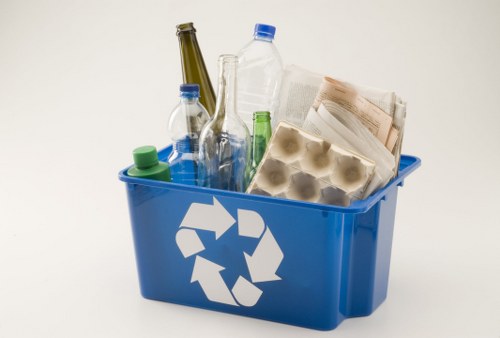
We are committed to delivering an eco-friendly waste disposal area approach for every flat clearance in Harrow. Our priority is to minimise landfill and maximise reuse, working within the boroughs' systems for household and bulky waste. By coordinating with local councils and following Harrow's preferred routes for waste separation — including separate collections for food waste, paper and card, mixed recycling, glass and textiles — we aim to make every clearance a step toward a greener neighbourhood. Our service balances practical clearance work with measurable sustainability targets.As a specialist in flat and home clearances, our sustainable rubbish area philosophy covers collection, sorting, and onward recycling. We sort items on-site where possible to separate recyclable materials — metal, plastics, glass, and WEEE (electricals) — from items for reuse. This reduces cross-contamination and supports borough policies that encourage residents to use separate bins for dry recycling and food waste. We also prioritise donation and resale channels before recycling to keep items in use longer.
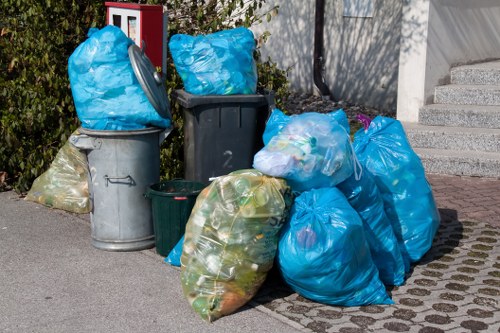 Our firm operates to an ambitious, accountable recycling percentage target: we aim to achieve an overall recycling and reuse rate of 70% by 2028 across all flat clearance and waste management activities in the Harrow area. That target includes diversion to reuse charities, transfer stations that accept segregated streams, and certified recycling facilities. Tracking and reporting this metric helps us continually lower the volume sent to landfill and improve our environmental performance.
Local transfer stations and responsible routing
We regularly use nearby and regional transfer stations to ensure materials are processed correctly. Typical routes include reputable borough transfer hubs and North London transfer facilities that accept segregated loads, such as dry recyclables, wood, metal and inert materials. Using local transfer stations reduces haulage distances, conserves fuel and speeds up the recycling chain. Our logistics are designed to prioritise facilities that operate high standards of sorting and downstream recycling.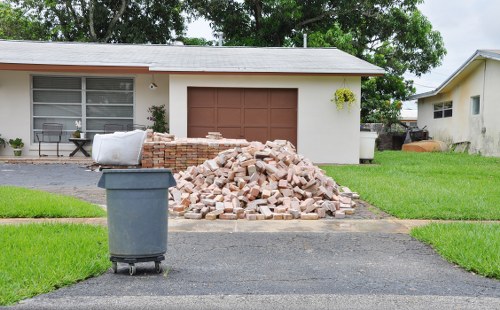
- Edgware and Harrow transfer points — for segregated bulky items and mixed recyclable loads.
- North London recycling hubs — for metals, WEEE and specialist reprocessors.
- Charity drop-off lanes — for resalable furniture and usable household goods.
Partnerships with charities and social reuse
We work closely with local charities and social enterprises that accept good-quality furniture, clothing and household items. Partnerships with organisations such as Emmaus-style reuse projects and regional furniture charities enable us to divert usable items from the waste stream. Through these partnerships we create a clear chain of custody for donations and support the sustainable rubbish area ecosystem by giving items a second life.To support community reuse we run donation assessment during every flat clearance. Items in reasonable condition are separated and scheduled for delivery to partner charities, and items unsuitable for reuse are sent to certified recycling processors. We also coordinate with borough-led schemes for textiles and small electricals collections, acknowledging that Harrow and neighbouring boroughs emphasise recycling streams such as paper, glass, plastic, garden waste and food. This cooperative approach boosts local recycling rates and strengthens the circular economy in the area.
 Low-carbon vans and route efficiency are central to our sustainable operations. Our fleet includes low-emission vehicles — electric vans where operationally viable and Euro 6-compliant alternatives — and we optimise routes to reduce empty running. Combining electric vehicle use on short urban jobs with intelligent scheduling cuts emissions, lowers noise and aligns with the low-carbon transport strategies many London boroughs encourage. We also regularly review vehicle utilisation to support our recycling percentage target and reduce our carbon footprint.
What we recycle and how we handle special items: we accept and segregate a wide range of materials during flat clearance: metals, timber, mixed plastic, glass, paper/card, WEEE (fridges, TVs and small electricals), mattresses (sent to licensed processors), and inert materials from minor DIY work. Hazardous household items are handled separately and directed to appropriate facilities. Our approach mirrors local guidance on waste separation to make sure each material goes to the correct sustainable processing stream.
Transparency and continuous improvement are part of our sustainable rubbish area commitment. Each clearance includes a documented audit of items diverted to reuse, recycle or disposal, which helps us measure progress toward the 70% recycling and reuse goal. We share anonymised performance summaries with partners and use that data to refine sorting procedures, train crews and improve public-facing information about how to separate waste effectively.
 Community engagement is another pillar: we collaborate with local housing associations, resident groups and borough initiatives to promote responsible disposal and reuse. Educational material about separating food waste, dry recyclables and bulky items — reflecting the boroughs' approach — helps reduce contamination and supports higher-quality recycling outputs. Our partnerships with charities further amplify this work by creating reliable donation channels for furniture and household goods.
In summary, our flat clearance Harrow services are built around a sustainable rubbish area framework that combines practical clearance with measurable environmental goals. By prioritising reuse, using local transfer stations, partnering with reputable charities and operating low-carbon vans, we deliver an eco-conscious flat clearance solution that supports Harrow's waste separation policies and the wider circular economy. We remain committed to improving our recycling percentage target and refining services to meet the evolving needs of the boroughs we serve.