The Role of Community Recycling in Packaging and Cardboard Disposal
The Role of Community Recycling in Packaging and Cardboard Disposal: A Complete Guide
If you've ever stood over an overflowing bin of cardboard boxes--tape stuck to your fingers, the faint papery scent in the air--and wondered, there must be a better way, you're in the right place. Community recycling is the quiet engine behind sustainable packaging and cardboard disposal. It turns everyday actions into collective impact. And, to be fair, it's where most of us can make the biggest difference without buying a single new gadget.
This long-form guide explores the role of community recycling in packaging and cardboard disposal with practical steps, UK-focused compliance advice, small human stories, and expert tips you can use today. We'll show you how to organise, optimise, and scale community-led cardboard recycling--whether you're a family on a terraced street in Leeds, a food business in Glasgow, or a school PTA in Bristol planning a Saturday drop-off.
Table of Contents
- Why This Topic Matters
- Key Benefits
- Step-by-Step Guidance
- Expert Tips
- Common Mistakes to Avoid
- Case Study or Real-World Example
- Tools, Resources & Recommendations
- Law, Compliance or Industry Standards (UK-focused)
- Checklist
- Conclusion with CTA
- FAQ
Why This Topic Matters
Packaging and cardboard are the backbone of modern commerce. Every parcel on your doorstep, every stock delivery behind your local cafe--cardboard is everywhere. The role of community recycling in packaging and cardboard disposal is to catch all of that material before it slips into general waste. When communities get it right, boxes become tomorrow's paper, shelf-ready board, or even boxes again. A loop, not a line.
In the UK, the demand for recycled fibre remains strong. According to sector analyses and government reports, recycling rates for paper and cardboard packaging are consistently among the highest of any material stream, commonly noted as above 80% in recent years. That's good--but it could be better, especially at the community level where contamination and logistics hiccups still trip us up. Community-led schemes bridge the gap between household habits and commercial standards, ensuring packaging waste is sorted, kept dry, and moved to the right facilities. Clean, clear, calm. That's the goal.
Micro moment: On a drizzly Thursday in March, a neighbourhood in East London bundled a mountain of brown boxes for a shared pickup. You could almost smell the cardboard dust in the cold air. One hour later, the pavement was clear, and the WhatsApp chat was full of cheerful thumbs-up emojis. Small effort, big lift.
The Role of Community Recycling in Packaging and Cardboard Disposal isn't just technical. It's social. It's cultural. It's how we turn good intentions into measurable, repeatable results--and how we save councils and businesses money while reducing emissions. Truth be told, it's also incredibly satisfying when the bin store looks tidy for once.
Key Benefits
Community recycling for packaging and cardboard disposal delivers value on multiple fronts. Here's what you'll actually notice--on your street, in your stockroom, and on your bottom line.
- Higher material quality, higher value: Clean, dry, flattened cardboard (often called OCC--Old Corrugated Cardboard) attracts better prices from recyclers. It also reduces rejection rates.
- Lower waste costs: Every tonne diverted from general waste cuts disposal fees. For businesses, this can mean real savings each quarter.
- Fewer collections, less disruption: Consolidated community pickups reduce vehicle miles and noise. One lorry instead of six. Better for neighbours and air quality.
- Compliance made easier: Community schemes encourage correct sorting and good documentation habits. That matters for UK Duty of Care and upcoming packaging EPR data.
- Community pride: A tidy bin store. Shared best practice. To be blunt, fewer foxes rifling through soggy boxes at 2am. Everyone wins.
- Climate impact: Recycling cardboard generally uses less energy and water than producing virgin fibre. The carbon savings add up over time.
Ever tried clearing a room and found yourself keeping everything "just in case"? Community recycling is the opposite. It helps you let go, on schedule, in the right format, with the knowledge that your effort truly counts.
Step-by-Step Guidance
Let's break down how to set up or improve a packaging and cardboard community recycling effort. This section covers homes, microbusinesses, schools, faith groups, and small estates. Scale it up or down as needed.
1) Run a quick waste audit
- Map your sources: Note where cardboard accumulates--front-of-house, stockroom, delivery bay, mailroom, or at home (e.g., online orders).
- Quantify it: Over a week, count boxes, estimate volume (how many full wheelie bins), and note peak days (often Tuesday deliveries, weekend online orders).
- Spot contaminants: Tape, plastic film, polystyrene, food residue. Make a list of common issues to address.
Human aside: A bakery in Leeds discovered 40% of their cardboard was arriving soaked after the morning rinse-down. They moved the stacking area three metres indoors and--boom--instant quality improvement.
2) Design simple sorting rules
- Flatten everything: Saves space and keeps bins usable. Use a safety knife--no wrestling with staples.
- Keep it dry: Store bundles under cover. Damp cardboard often gets rejected or downcycled.
- Remove plastic film and polystyrene: Bag them separately for appropriate collection schemes (check local council guidance).
- Food contamination: Greasy pizza boxes? Tear off the clean lid for recycling; compost or bin the greasy base.
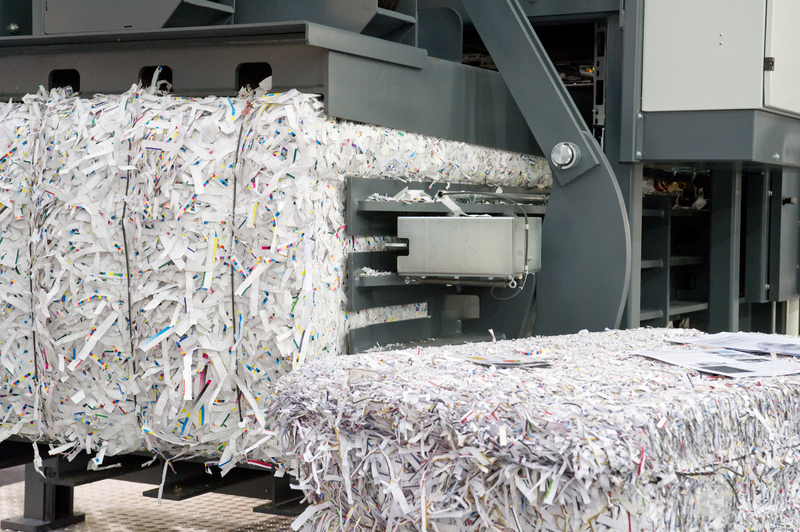
- Bundle or bale: Use twine for small bundles. For businesses, a small baler creates dense bales that are cheaper to transport.
3) Choose your collection pathway
- Council kerbside: Ideal for households; check if cardboard must be inside bins or bundled.
- Bring banks and HWRCs: Useful for overflow or bulky boxes. Best if you can car-share to reduce trips.
- Community drop days: Monthly events at schools or community halls. Pool volume to unlock better collection rates.
- Commercial waste carriers: For businesses and mixed-use blocks. Ensure carriers are licensed and provide waste transfer notes.
Pro tip: Align pickups with delivery days. If your stockroom is full of e-commerce boxes every Wednesday, a Thursday collection keeps it tidy and safe. No mystery avalanches from a teetering stack. We've all been there.
4) Educate and signpost
- Clear signage: Use simple icons--flatten, keep dry, remove film. Laminated signs survive the British drizzle.
- One-minute demo: Show how to break down boxes fast. A quick lunch-and-learn works wonders.
- Shared rules chat: A group WhatsApp or Slack for your estate or high street. Friendly nudges keep quality high.
5) Track, tweak, and celebrate
- Record volumes: Even rough estimates--"4 bales this month"--help you optimise.
- Note contamination issues: Fix with better bins or clearer instructions.
- Share wins: A photo of neatly stacked bales feels oddly satisfying. Recognition motivates.
It was raining hard outside that day when a Manchester community group weighed their first tonne of cardboard. The cheer was loud enough to startle the cat in the window. Simple things, happy people.
Expert Tips
These are the insider moves that make community recycling for packaging and cardboard disposal run like clockwork.
- Location matters: Keep cardboard storage off the ground, under cover, and away from sinks or mop stations. Moisture kills value.
- Use the right containers: Open-top euro crates or collapsible cages prevent crushing and make transport easy.
- Standardise bundles: Aim for manageable sizes--think 10-15 kg bundles for community drops. For businesses, baler bales in the 200-400 kg range are common.
- Negotiate rebates: If you're regularly collecting clean OCC at scale, ask carriers about rebates. Quality + volume = leverage.
- Train for seasonal peaks: November-January means gift boxes and shipping cartons. Increase storage and collections early.
- Keep a contamination kit: Scissors, safety knives, extra twine, spare bags for plastic film. A small stash saves time.
- Data helps: Take a photo each month and count bundles. Visual records make funding applications and council collaboration easier.
- Design for behaviour: If bins are far away or awkward to open, people will do the lazy thing. Make the right action the easy one.
- Celebrate volunteers: A thank-you note, a free coffee voucher, a shout-out on the noticeboard. Community runs on kindness.
And one more thing: label your knife. Otherwise it will vanish. It always vanishes.
Common Mistakes to Avoid
Even the best community recycling programmes can stumble. Here's what to watch out for in packaging and cardboard disposal.
- Letting cardboard get wet: Rain or washdown water ruins fibre quality. Keep it covered, always.
- Over-stuffing bins: Torn lids and side waste lead to contamination and complaints. Flatten, don't cram.
- Leaving tape and film on: A bit is fine, but heavy plastic film reduces paper mill efficiency. Remove where practical.
- Mixing with food waste: Especially in shared bin stores. Grease spreads fast.
- No documentation: For businesses, missing Waste Transfer Notes or using unlicensed carriers risks fines.
- Ignoring safety: Don't stack above shoulder height; avoid blocked exits. A tidy store is a safe store.
- One-size-fits-all rules: Flats, cafes, warehouses--each needs slightly different instructions.
Ever rushed a clear-out and regretted it later? Same here. A little planning beats a lot of mopping.
Case Study or Real-World Example
Case Study: The High Street Cardboard Collective (South London)
A mixed parade of 14 businesses--cafes, a charity shop, a pharmacy, and two small grocers--were struggling with weekly cardboard chaos. Bins overflowed by Wednesday; deliveries made the alleyway feel claustrophobic. You could smell damp cardboard on rainy afternoons, the kind that just feels... soggy.
Here's how they turned it around:
- Audit: Volunteers counted boxes for two weeks. Peak days were Monday (pharmacy deliveries) and Thursday (fresh produce).
- Rules: All boxes flattened, tape removed where heavy, plastic film bagged separately. A "keep it dry" sign went up--simple, bold text.
- Equipment: One small vertical baler installed in a shared storeroom (cost shared via a tiny monthly pot). Gloves, safety knives, and twine.
- Collections: Switched from three individual collections to one pooled pickup every Friday morning by a licensed carrier.
- Tracking: They logged bales by weight (digital scale). Photos posted in the shopkeepers' group chat every week.
Results after 12 weeks:
- General waste pickups reduced by 30%.
- Bin store complaints dropped to near zero.
- They earned a modest cardboard rebate that covered the baler lease and gloves. Net neutral costs, happier neighbours.
One shopkeeper said, "It's oddly calming seeing those tidy bales. Like we've got our act together." Clean, clear, calm. That's the role of community recycling in action.
Tools, Resources & Recommendations
Whether you're scaling a neighbourhood scheme or improving a single site, the right tools make it easier.
Hardware
- Cardboard baler: For businesses and community hubs generating consistent volume. Entry-level vertical balers are compact and safe when used correctly.
- Heavy-duty twine or bale wire: Secure bundles. Avoid brittle ties that snap in cold weather.
- Stackable cages or stillages: Keep material off the floor and sorted.
- Signage and weatherproof labels: Visual guides reduce mistakes dramatically.
- Safety knives and gloves: Protect hands; cut clean edges.
Software and Apps
- Local council tools: Check your council's online calendar and guidance for cardboard recycling rules and collection dates.
- Recycle Now (UK): A directory to check what's accepted locally--handy for community training.
- Simple shared spreadsheets or apps: Log volumes, issues, and photos. Data wins funding.
Organisations & Guidance
- WRAP (UK): Practical guidance on recycling best practice and the waste hierarchy.
- The Recycling Association: Market updates and quality guidance for fibre grades.
- Paper Industry groups: Clear standards for OCC quality and contamination thresholds.
- Community groups: Local environmental forums or Transition Towns can help recruit volunteers.
Buying Better Packaging
- Choose recyclable, mono-material packaging: Minimise mixed plastic windows or laminated boards.
- Use FSC-certified cardboard: Supports responsible forestry and a strong recycling stream.
- Design for reuse: Durable boxes within a community (schools, offices) can be reused before recycling.
Law, Compliance or Industry Standards (UK-focused)
Community recycling sits within a clear UK legal framework. Here's what matters most for packaging and cardboard disposal.
1) Duty of Care (Environmental Protection Act 1990)
- All waste producers (including businesses) must take all reasonable steps to manage waste properly, store it securely, and transfer it only to authorised persons.
- Waste Transfer Notes (WTNs): Required for each non-hazardous waste transfer between parties. Keep records for at least two years.
2) Waste (England and Wales) Regulations 2011
- Waste Hierarchy: You must apply the hierarchy: prevent, prepare for reuse, recycle, recover, dispose. Document how your system follows it.
- Separate collections: Where technically, environmentally, and economically practicable, collect paper/card separately to improve quality.
3) Packaging Waste Regulations & EPR
- Producer Responsibility (Packaging Waste) Regulations: Certain businesses that place packaging on the market must report and fund recycling obligations.
- Extended Producer Responsibility (EPR) for Packaging: Phasing in enhanced reporting and cost obligations on packaging producers. Accurate material data becomes crucial--community schemes help improve quality and traceability.
4) Licensed Carriers & Brokers
- Check registration: Use the public register to confirm your waste carrier, broker, or dealer is properly licensed.
- Contracts and WTNs: Ensure descriptions say "Paper and Cardboard (OCC), clean and dry," and confirm European Waste Catalogue codes where appropriate.
5) Health & Safety
- Manual handling: Train volunteers on safe lifting and box cutting techniques.
- Equipment: If using a baler, provide user training, signage, and keep a logbook.
- Safe storage: Prevent fire risks; avoid blocking emergency routes.
Note: Scotland, Wales, and Northern Ireland have country-specific guidance and targets, but the core principles remain similar. Always check your local authority's requirements.
Checklist
Use this quick checklist to launch or upgrade your community recycling programme for packaging and cardboard disposal:
- Audit done? Sources, volumes, peak days identified.
- Sorting rules set? Flatten, keep dry, remove film, no food residue.
- Signage up? Simple icons; multilingual if needed.
- Storage sorted? Covered, off the ground, safe access.
- Collection pathway chosen? Council, bring bank, community drop, or licensed carrier.
- Documentation ready? WTNs for business transfers; carrier license checked.
- Safety gear available? Gloves, knives, first-aid basics.
- Contamination plan? Separate plastic film and polystyrene.
- Peak season plan? Extra capacity Nov-Jan and during local events.
- Tracking & feedback? Photos, volumes, monthly review.
Conclusion with CTA
The role of community recycling in packaging and cardboard disposal is bigger than a tidy bin store. It's people, patterns, and pride pulling in the same direction. When you flatten a box, keep it dry, and pass it to the right hands, you're part of a system that works for everyone: lower costs, cleaner streets, stronger local economies. And yes, a little less cardboard chaos when it's bucketing it down outside.
Start where you are. One sign. One bundle. One organised pickup. You'll feel the difference quickly--so will your neighbours.
Get a free quote today and see how much you can save.
Take a breath. You're doing something good, right here, right now.
FAQ
How does community recycling differ from ordinary kerbside collection?
Community recycling is often coordinated by residents, local groups, or business clusters to consolidate material, improve quality (dry, flattened, low contamination), and reduce costs and emissions. Kerbside is council-run and more general; community schemes are tailored and usually deliver cleaner cardboard.
Can wet cardboard be recycled?
Sometimes, but it's risky. Wet cardboard often loses fibre strength, clumps, and can attract mould. Many processors reject it or downcycle it. Keep it dry under cover. If rain's forecast, store indoors until collection.
Do I need to remove all tape and labels?
Remove heavy plastic film and large tape strips if practical. Small amounts of tape and labels are typically tolerable at paper mills, but less is always better for efficiency and bale quality.
Are pizza boxes recyclable?
Yes, if they're clean. Tear off the greasy parts for composting or general waste; recycle the clean lid or sections. Grease is the main problem, not the "pizza box" itself.
What size baler should a small business or community hub get?
For light to moderate volumes, a small vertical baler producing 100-200 kg bales is common. If your output is higher, consider 200-400 kg bales. Ask your carrier what bale size they prefer and check door widths and power supply before ordering.
How can businesses join or start a community recycling scheme?
Map nearby businesses, agree on sorting rules, choose a shared storage point, and partner with a licensed carrier for scheduled pickups. Use a shared chat for quick coordination. Start small--one street, then expand as you prove the model.
Is there any financial return for cardboard recycling?
Yes, depending on quality, volume, and market conditions. Clean OCC often attracts rebates or reduced collection fees. Consolidating material through community schemes can tip the economics in your favour.
How do we prevent contamination in shared bin areas?
Clear signage, lidded containers for food waste, regular checks, and quick feedback in a community group chat. Place cardboard storage away from food prep areas and mop stations. Make the correct action the easy action.
What UK documentation do businesses need?
When transferring waste to a third party, you need a Waste Transfer Note describing the material (e.g., clean paper and cardboard). Keep WTNs for two years and ensure your carrier is licensed. Follow Duty of Care requirements and the waste hierarchy.
Does community recycling help with EPR packaging data?
Indirectly, yes. Cleaner, well-sorted cardboard supports accurate reporting and reduces rejections. If you're a producer under EPR, good internal tracking and contractor reports will be essential--community discipline helps build reliable data.
What about addresses on cardboard boxes--any data security concerns?
For households, it's usually low risk, but you can peel off labels or black out personal details. Businesses shipping sensitive items should consider removing or defacing labels before recycling.
Are compostable or "eco" packaging materials always better?
Not always. Some compostables don't break down in home compost and aren't accepted in local systems. Simple, recyclable cardboard is often the best community-friendly choice. Prioritise mono-material designs.
How should we handle peak seasons like Christmas?
Increase storage capacity, add extra collections, and remind everyone to flatten boxes. Consider a community "Boxing Day Box Drop" with extended hours. A little planning prevents the New Year bin backlog.
Can schools and charities run cardboard collection fundraisers?
Yes. With clean, dry material and a licensed carrier, schools and charities can organise drop days. Some carriers offer rebates; others provide free collection. Keep records, brief volunteers, and follow safety guidance.
What if our council doesn't accept certain packaging types?
Use bring banks, HWRCs, or specialised carriers for items like plastic film or polystyrene. Recycle Now's local checker is helpful. Keep cardboard separate and clean to avoid losing value due to mixed loads.
Is it worth investing in signage and training for a small site?
Absolutely. Two or three clear signs and a five-minute demo can halve contamination overnight. It's the cheapest, biggest win most sites overlook.
What's the simplest improvement we can make today?
Flatten every box and keep it dry. That single habit improves storage, safety, and recycling quality immediately. Then set a regular pickup schedule and stick to it.
Final thought: The role of community recycling in packaging and cardboard disposal grows with every small, consistent action. One neat bundle at a time. It adds up--more than you think.